Bulldog Breathing: What’s Normal and What’s Not
Bulldog Breathing: What’s Normal and What’s Not
Bulldogs are known for their unique appearance—and their breathing sounds are just as distinctive. Snorts, snores, and noisy breathing are common in English Bulldogs and French Bulldogs, but how do you know what’s normal and when it’s time to be concerned? Understanding bulldog breathing is an important part of responsible ownership and long-term care.
Why Bulldogs Breathe Differently
English and French Bulldogs are considered brachycephalic breeds, meaning they have short noses and compact skull structures. This physical trait affects the shape of their airways, including:
- Shortened nasal passages
- Narrow nostrils
- Elongated soft palates
Because of this anatomy, bulldogs often breathe more loudly than other breeds. While this is normal to an extent, it also means owners should be attentive to changes in breathing patterns.
What’s Considered Normal Bulldog Breathing
Some breathing sounds and behaviors are common and usually not a cause for concern, especially when your bulldog is relaxed or asleep.
Normal breathing traits may include:
- Light snoring during sleep
- Occasional snorting or reverse sneezing
- Noisy breathing after mild activity
- Short pauses between breaths while resting
These sounds are usually consistent, mild, and do not interfere with your dog’s ability to eat, sleep, or play comfortably.
What’s NOT Normal and Should Be Watched Closely
While some noise is expected, excessive or worsening breathing problems are not normal and should not be ignored.
Warning signs include:
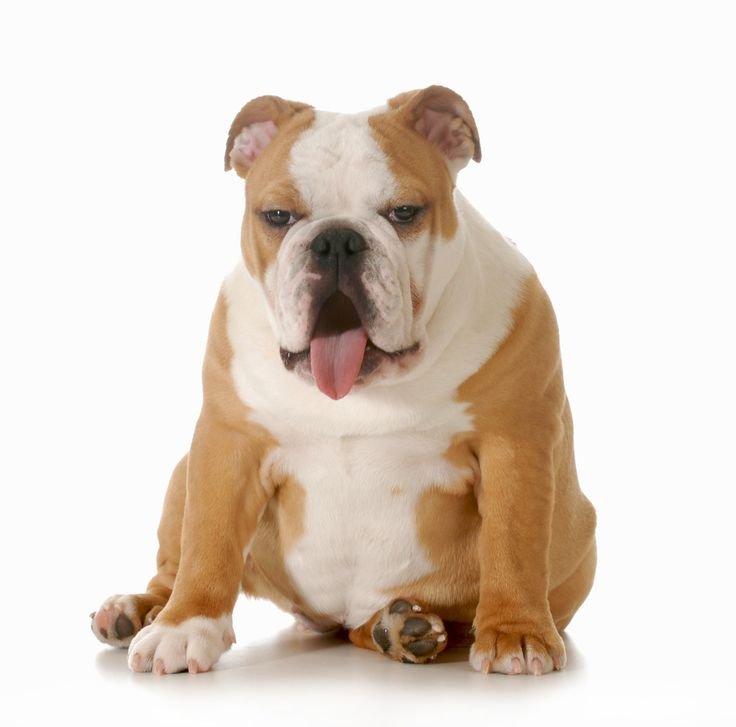
- Labored breathing or heavy panting at rest
- Gasping, choking, or open-mouth breathing
- Bluish or pale gums
- Frequent coughing or gagging
- Collapsing or extreme fatigue after light activity
- Difficulty cooling down
If your bulldog shows any of these signs, especially in warm weather or during rest, it’s important to consult a veterinarian promptly.
Heat and Bulldogs: A Serious Concern
Bulldogs do not regulate heat as efficiently as other breeds. Their shortened airways make it harder to cool down through panting, which can lead to overheating quickly.
Important heat safety tips:
- Avoid walks during hot or humid weather
- Always provide fresh water and shade
- Use air conditioning indoors when possible
- Never leave a bulldog in a parked car
Even mild heat can become dangerous for bulldogs if precautions aren’t taken.